Grocery rhythm
Stop Buying Healthy Food That Dies in the Fridge
Healthy food does not help if it is bought for a week you do not actually live.
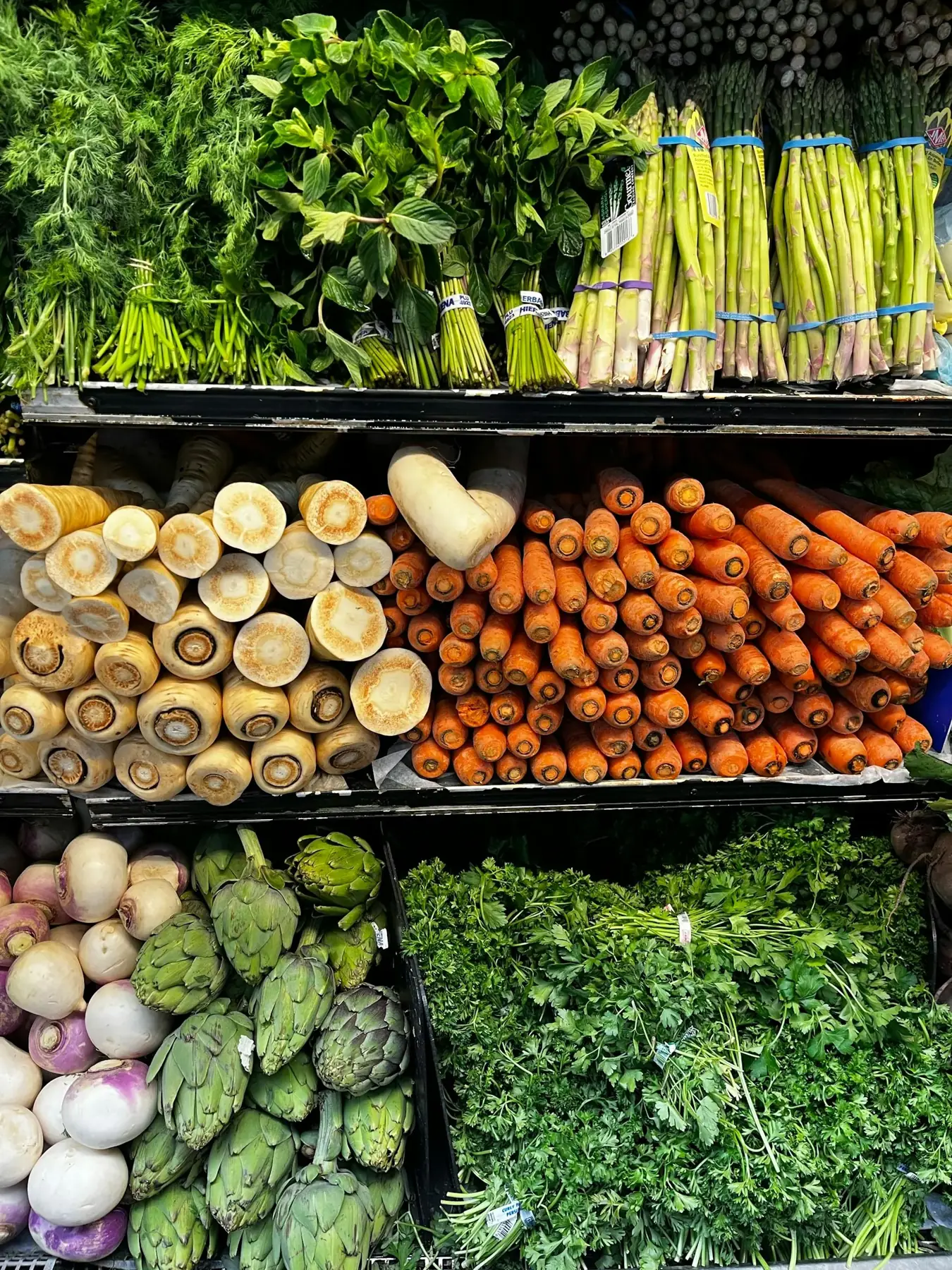
A lot of grocery waste starts with optimism. You buy greens, vegetables, protein, yogurt, fruit, and ingredients for meals you imagine making. Then the week happens. Meetings run long. Cooking energy disappears. Coffee replaces breakfast. Lunch gets pushed. Dinner becomes takeout. By Friday, the healthy food is still in the fridge, quietly turning into guilt.
The problem is not that you bought the wrong moral category of food. The problem is that the groceries did not match your rhythm. A real grocery list needs to respect budget, schedule, cooking time, appetite patterns, caffeine timing, and recovery needs.
Buy for the week you have, not the week you wish you had
If you barely cook on weekdays, buying ingredients that require chopping, roasting, and cleaning is not practical. If your lunch window is unpredictable, you need food that can hold up without becoming a project. If nights are reactive, the fridge needs a fallback that does not require a full recipe.
This is where rhythm beats intention. Monday may need no-cook food. Tuesday may need a quick protein anchor. Wednesday may need a recovery dinner that is easy to assemble. The grocery list should be built around those realities.
MetClock connects groceries to timing
MetClock builds your 7-day rhythm for meals, hydration, caffeine, recovery, and groceries, then gives practical food guidance for your goals, budget, schedule, and cooking time. That means grocery guidance is not separate from the day. It is tied to when you wake, when you drink coffee, when appetite appears, when energy drops, and when you are most likely to make an expensive food decision.
A practical list may include no-cook proteins, simple carbohydrates, hydration supports, foods that travel, flexible vegetables, and evening recovery options. It is not about buying perfect food. It is about buying usable food.
Less waste usually means less chaos
Food waste is often a signal that the plan was too abstract. If groceries keep dying, ask what the food was supposed to do. Was it for breakfast? Lunch? A late dinner? A snack that prevents a 3 PM crash? If there is no job for the food, it is more likely to sit there.
For a related starting point, read What to Buy When You Barely Have Time to Cook. If the deeper issue is the overall daily pattern, read You Don’t Need Another Diet, You Need a Better Rhythm.
FAQ
Should I stop buying fresh food?
No. Fresh food can be useful, but it should match your cooking time and meal windows.
Does MetClock make a grocery list?
MetClock gives practical food and grocery guidance based on goals, budget, schedule, preferences, and cooking time.
What if I do not cook?
The rhythm can include no-cook and minimal-prep options.
Is this a medical nutrition plan?
No. It is practical lifestyle guidance, not medical care or individualized dietetics.
MetClock is not medical advice. It is a lifestyle timing system. Consult a qualified professional before making major dietary, exercise, or health changes.