Grocery planning
How to Build a Grocery List Around Your Eating Window
How to plan groceries around timing windows, budget, cooking tolerance, protein anchors, hydration, and recovery.
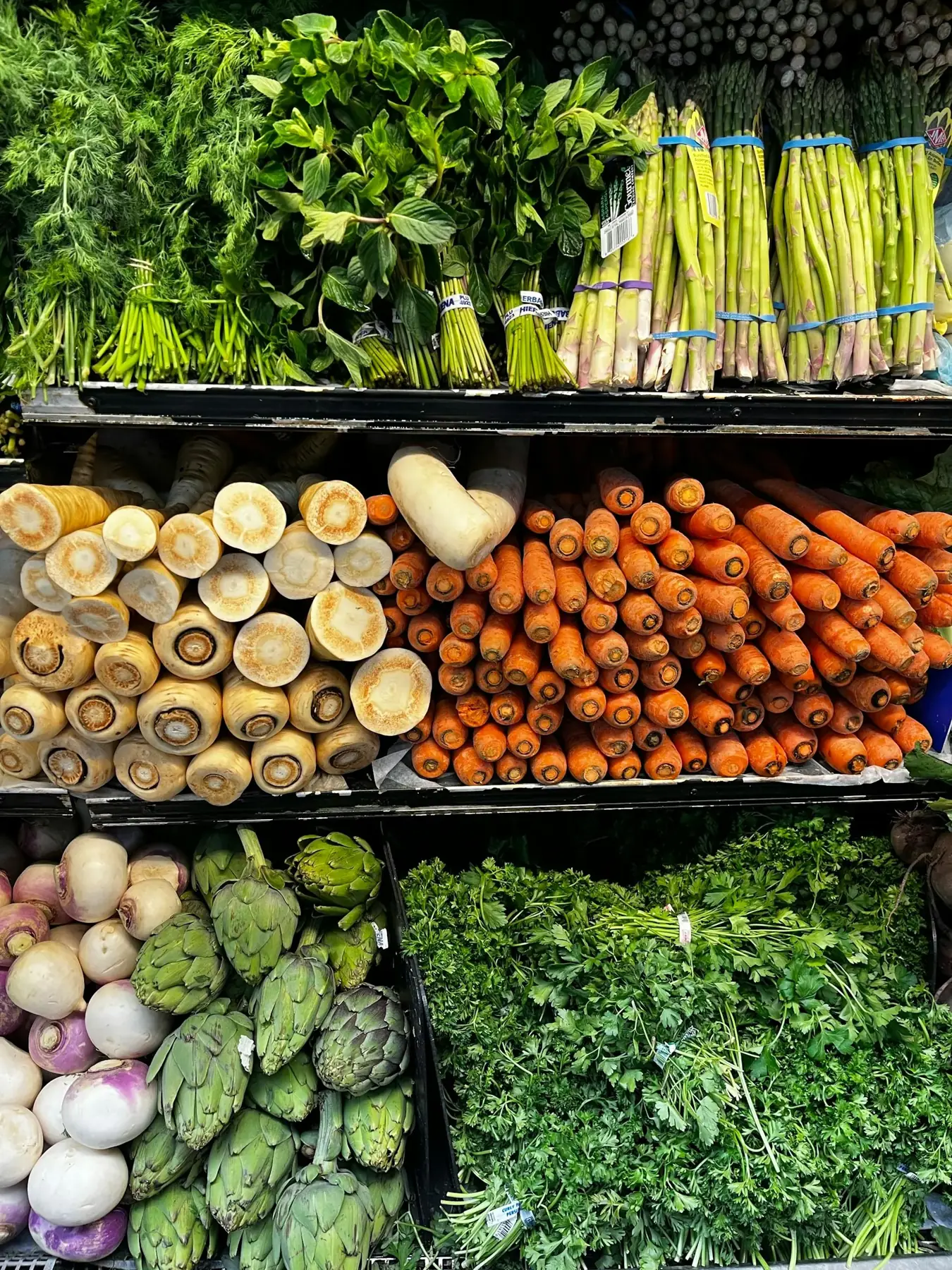
The grocery list should follow the protocol
Most grocery lists are built from recipes, cravings, or habit. A protocol-based grocery list works differently. It starts with the user’s eating window, budget, cooking tolerance, and daily rhythm. The goal is not to buy impressive ingredients. The goal is to make the right actions easier at the right time. If a person needs a stable first meal, the list should include foods that can create that meal quickly. If lunch is the weak point, the list should solve lunch before anything else. MetClock makes grocery planning part of the timing system.
Start with protein anchors
Protein anchors are useful because they make meals easier to structure. Protein generally has a higher thermic effect than carbohydrates or fat, and it can help make meals feel more complete for many people. The anchor does not need to be expensive. Eggs, yogurt, poultry, fish, tofu, beans, lentils, cottage cheese, and other options can all be useful depending on preferences and tolerance. MetClock uses budget and cooking tolerance to choose realistic anchors instead of idealized meal-plan foods.
Match foods to cooking tolerance
A grocery plan fails when it asks someone to cook more than they actually will. Someone with low cooking tolerance may need ready-to-use proteins, simple vegetables, fruit, fermented foods, and minimal-prep meals. Someone who enjoys cooking may benefit from batch meals, broths, legumes, and more complex dinners. The right grocery list is the one that supports execution. MetClock uses cooking tolerance as a serious input because wasted groceries are wasted money and wasted momentum.
Hydration supports belong on the list
Hydration is not only about water. Some people need reminders, mineral support, citrus, tea, broths, or other practical cues that make fluid intake easier. The grocery list can support hydration timing by making the desired action visible. If the protocol calls for morning hydration or an afternoon reset, the kitchen should make that action obvious. This is a small detail that creates leverage.
Recovery foods matter at night
Evening eating often becomes unstructured when the day has been underfed or stressful. A good grocery list supports recovery with meals that are simple, satisfying, and not chaotic. That might include protein, vegetables, legumes, broths, fermented foods, spices, or other culturally familiar options. MetClock does not reduce food to macros alone. It creates room for traditional food intelligence while keeping the protocol practical.
Budget is a design constraint
A grocery protocol should respect money. If a person has a $50 weekly budget, the list should not behave like a premium wellness retreat. Budget creates useful constraints. It pushes the protocol toward staples, repeatable meals, and fewer wasted decisions. MetClock uses budget not as a limitation, but as a design input. The best list is one the user can buy, understand, and repeat.
How to make the grocery list operational
A protocol grocery list should be boring in the best way: clear, affordable, repeatable, and aligned with the timing windows. The first layer is protein anchors. The second layer is fiber and plants. The third layer is hydration support. The fourth layer is recovery-friendly evening food. The fifth layer is emergency options that keep the day from collapsing when plans change. MetClock asks for budget and cooking tolerance because those constraints decide whether the list can actually be used.
The list should also reduce decision fatigue. If the user knows what the first meal can be, what lunch defaults to, and what dinner looks like after a stressful day, the week becomes easier. Grocery planning is not a side feature. It is how the protocol becomes executable.
MetClock is not medical advice. It is a lifestyle timing system. Consult a qualified professional before making major dietary, exercise, or health changes.