Nutrition structure
Protein, Carbs, Fat: Why Food Is Not Just Calories
A responsible explanation of protein, carbohydrates, fat, thermic effect, timing, and why structure matters.
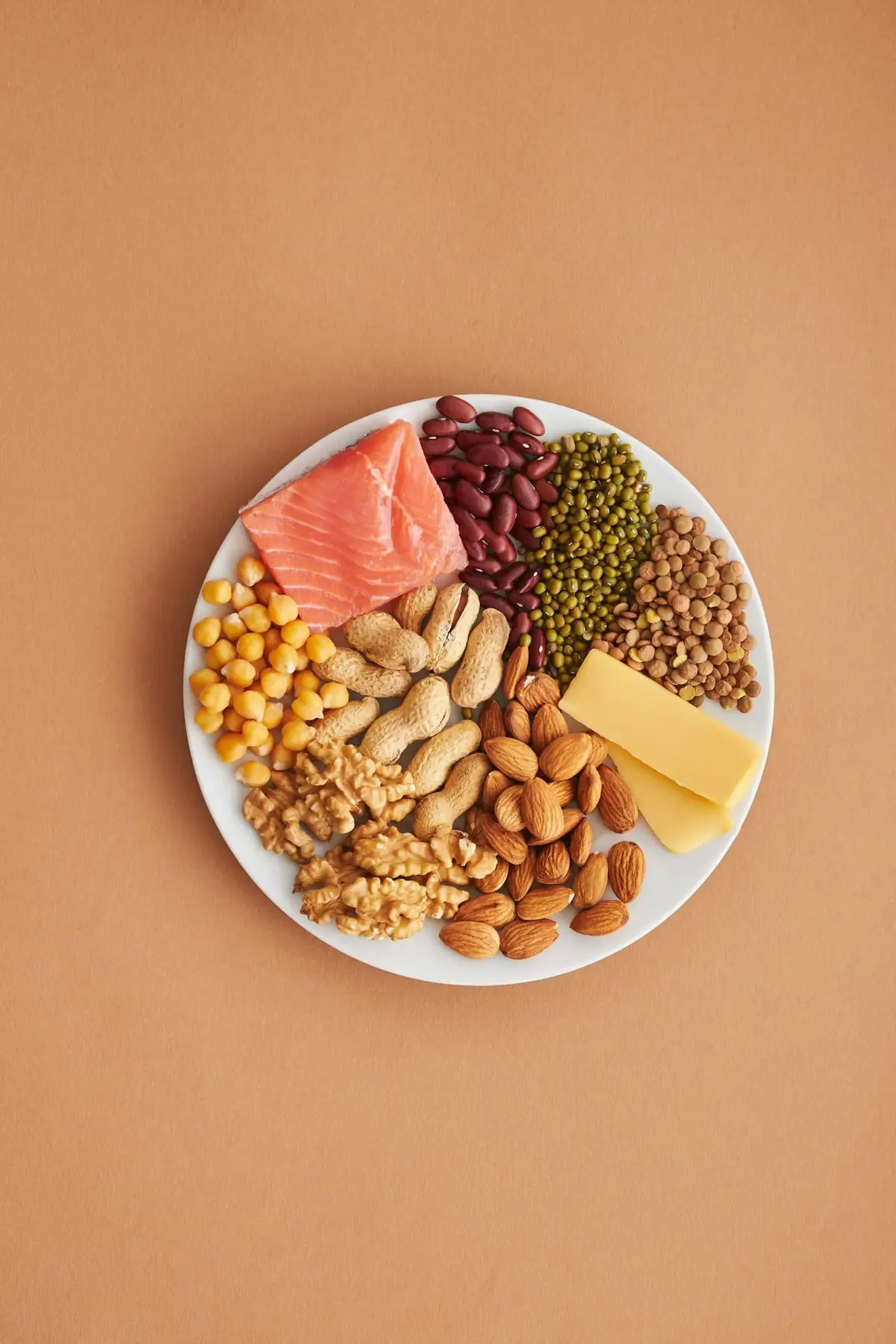
Calories matter, but they are not the whole story
Energy balance matters. That does not mean every food behaves the same way in daily life. Macronutrient composition, meal timing, food form, fiber, protein, digestion, appetite, and schedule all shape how a person experiences a meal. A calorie-only approach can miss the practical question: will this meal support the next part of the day? MetClock does not reject calories. It adds timing, structure, and response to the conversation.
Protein has a higher thermic effect
Protein generally has a higher thermic effect than carbohydrates or fat. In simple terms, the body uses more energy processing protein than it uses processing some other macronutrients. Approximate thermic effect ranges are often described as protein around 20 to 30 percent, carbohydrates around 5 to 10 percent, and fat around 0 to 3 percent. These are general ranges, not a personal guarantee. The practical lesson is that macronutrient composition matters and should be considered inside a protocol.
Carbohydrates are context dependent
Carbohydrates are often discussed in extreme terms, but context matters. The source, portion, timing, activity level, and pairing with protein or fiber can all influence the response. A carbohydrate-rich meal before a long sedentary afternoon may feel different from a similar meal after activity or paired with protein and vegetables. MetClock avoids scare language. It helps users structure carbohydrate timing around their day instead of treating every meal as identical.
Fat supports satisfaction but changes meal behavior
Fat can support satisfaction, food enjoyment, and traditional cooking patterns. It also changes how meals feel and digest. A protocol should not demonize fat or ignore it. It should place higher-fat meals thoughtfully, especially if the user reports sluggishness, reflux, late-night eating, or poor sleep after heavy dinners. Food quality, timing, and portion all interact. MetClock uses intake data to shape guidance rather than forcing a single rule.
Timing changes the experience of food
The same meal can feel different at different times of day. Research on circadian alignment and time-restricted eating suggests that meal timing can influence metabolic response, including glucose response for some people. That does not mean timing is magic or that it overrides total intake. It means timing is a meaningful variable. MetClock uses timing as a design layer across food, hydration, movement, and recovery.
Structure beats random optimization
The internet is full of isolated nutrition tips. Eat more protein. Avoid late meals. Walk after eating. Hydrate earlier. Stop caffeine at a reasonable time. Each idea can be useful, but random tips do not equal a system. MetClock organizes the pieces into a protocol so users know what to do and when to do it. The goal is less chaos and more rhythm.
How to use macro knowledge without turning food into math
Knowing that macronutrients behave differently should make nutrition more practical, not more obsessive. Protein, carbohydrates, and fat each play roles in meals, satisfaction, digestion, and energy. The point is not to label one as good and another as bad. The point is to build meals that support the next block of the day. MetClock uses macronutrient structure as one input among several: timing, schedule, grocery budget, cooking tolerance, body signals, and recovery needs.
This is why a timing protocol can be more useful than a static calorie target. It asks whether the meal fits the moment. A protein-forward lunch may support the afternoon. A heavier dinner may be better earlier than late. Carbohydrates may fit differently around activity than around a sedentary block. The protocol creates context.
MetClock is not medical advice. It is a lifestyle timing system. Consult a qualified professional before making major dietary, exercise, or health changes.