Foods of the World
Protein anchors
Protein-forward foods such as meat, poultry, fish, eggs, legumes, dairy, soy, or mixed dishes. MetClock uses it as one possible timing anchor inside a real food routine.
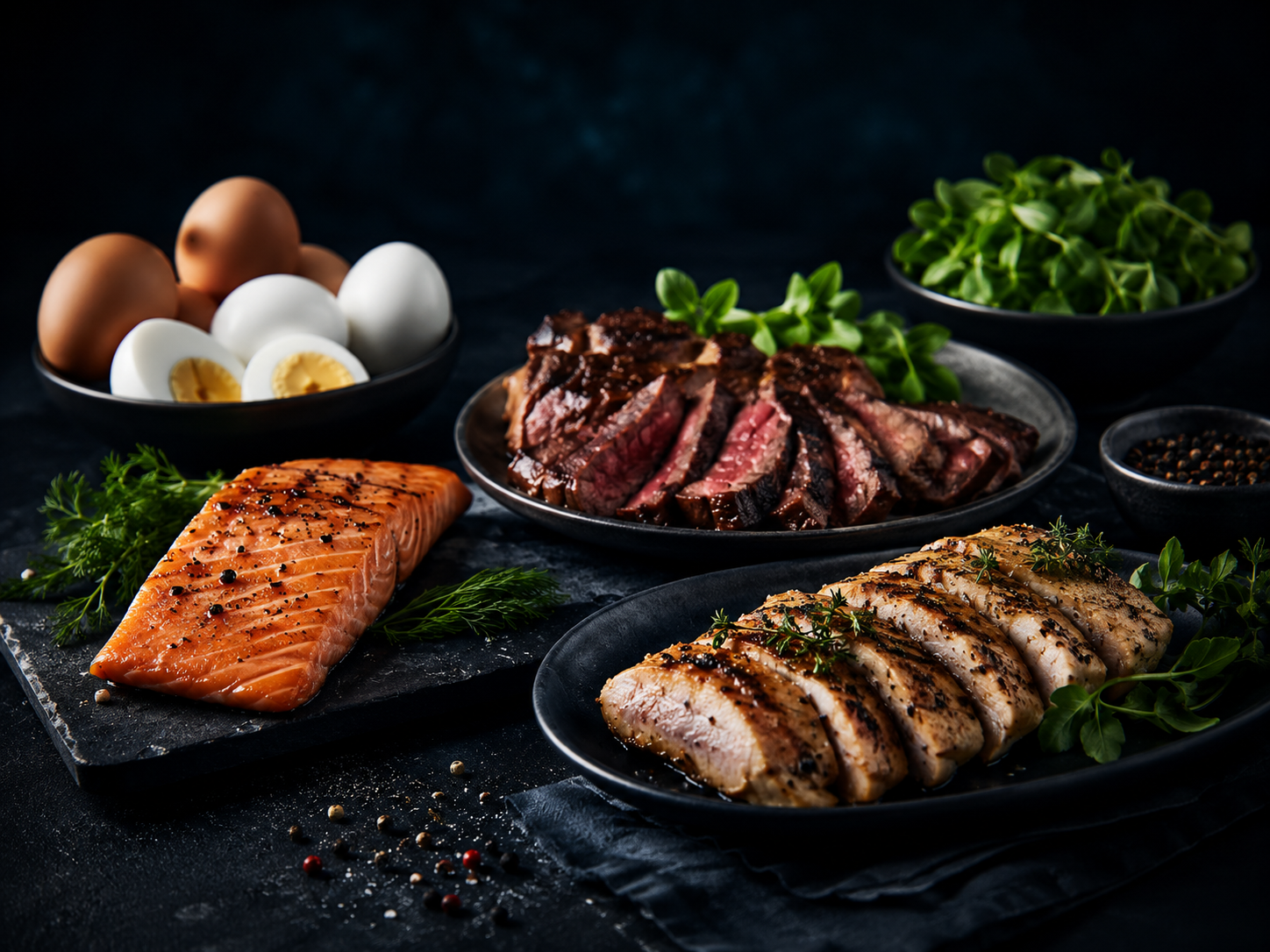
What it is
Protein-forward foods such as meat, poultry, fish, eggs, legumes, dairy, soy, or mixed dishes.
Where it appears in world food traditions
Protein anchors vary by culture: fish, poultry, meat, eggs, legumes, dairy, soy foods, and mixed dishes that make meals more structured.
Why it matters in MetClock
Protein anchors can make meal timing more practical and grocery planning clearer.
How to combine it without overthinking it
Pair protein with fiber, greens, legumes, citrus, broths, or simple starches depending on the meal.
How to use it
Use protein as the center of repeatable meals, not as a strict macro rule.
When it fits in your day
It often matters most at the first meaningful meal, main meal, or post-activity meal window.
Grocery tips that protect the routine
Choose proteins that match budget, cooking tolerance, culture, and the time you actually have.
Example MetClock protocol
- Morning: first hydration or simple signal.
- Meal window: anchor with protein, fiber, or flavor depending on the food.
- Afternoon: movement reset or drink anchor if useful.
- Evening: recovery boundary and groceries ready for the next day.
FAQ
Are protein anchors required in MetClock?
No. MetClock considers it only when it fits your preferences, tolerance, budget, and routine.
Is this medical advice?
No. MetClock is not medical advice. It is a lifestyle timing system.
When can protein anchors fit in the day?
They may fit as a morning, main-meal, hydration, or recovery anchor depending on the food and your real schedule.
MetClock is not medical advice. It is a lifestyle timing system.